
Search
Does ChatGPT send you customers? OpenAI now shows the numbers
The ChatGPT Business Hub shows how often ChatGPT cites your site, the clicks it sends and the topics behind them. What it misses, and the work that moves it.
 Pierrick NonnisCo-founder, COO5 min read
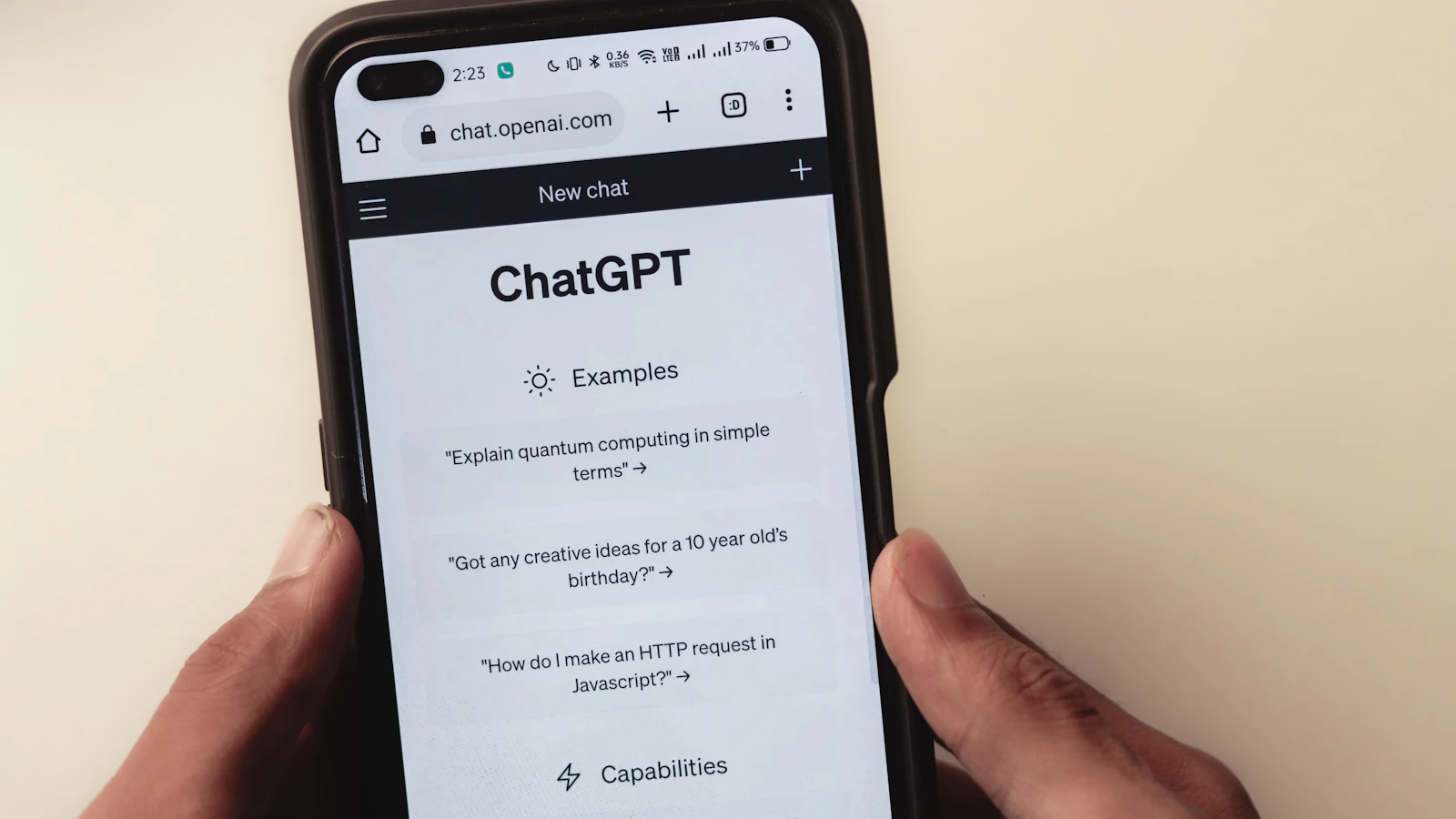
The ChatGPT Business Hub, opened by OpenAI in beta on 10 November, is a free dashboard where a business that has claimed its profile reads how often ChatGPT cited its website and how many clicks it sent, by topic, over the past 28 days. For any business that has wondered whether ChatGPT sends it customers, that is the first answer from the engine itself, from a product used, by OpenAI’s count, by 1.2 billion people a week. Here is what the three figures count, three ways to misread them (we have tried at least two), and what moves them in the accounts we run.
What the ChatGPT Business Hub counts
Claiming is free and needs no ads account. You verify the business by phone, business email, a DNS record or a Shopify login, then pass an identity check with Persona before the insights open. The admin can then add teammates and an agency. OpenAI’s help page spells out what you get:
- Mentions. For an online business, a ChatGPT mention counts when ChatGPT references your website. Your brand name on its own counts for nothing. For a local business, a mention counts when ChatGPT shows your location, and local claiming is limited to existing US listings for now.
- Website clicks. How often people clicked through to your site from an answer.
- Discovery topics. The common themes of the answers that cited you. Aggregated themes only; the prompts stay with OpenAI.
Two more lines deserve a read. Claiming your business does not change its visibility in ChatGPT, in OpenAI’s own words. And a blank metric can mean the activity has not reached the reporting threshold, so blank does not mean zero. Both are the kind of sentence a platform writes once and the industry forgets within a quarter.
Why a citation count from OpenAI was overdue
For anyone who has bought or sold GEO, measuring it until this month meant a third-party tool running a sample of prompts and counting which brands came back: useful as a direction, and always somebody else’s estimate. A citation count from OpenAI itself is the first figure you can put in a board deck with a one-line footnote instead of a methodology slide, provided the footnote says what it counts: references to your website, over 28 days, above a threshold OpenAI does not publish.
It arrives as the traffic becomes material. Adobe expects AI-referred traffic to US retail sites to grow 130% year on year between 1 November and 31 December. That is a forecast, and an American one, but the direction matches what we see in our clients’ analytics: AI assistants remain a small share of sessions, and the share that grows fastest. The citations we track for clients have moved the same way.
Three ways to misread the mentions count
- A mention is a citation of your site. ChatGPT can recommend you by name in a thousand answers and the Hub shows nothing, because the count starts when your website is referenced. So the number measures the linked part of your visibility, which is also the part that sends clicks. Keep your prompt-sampling tool for brand presence; the Hub measures the share of answers where you were the source, and growing it means being the page the model reads, which brings us back to SEO.
- Clicks and sessions are two different counts. Google Analytics has grouped visits from ChatGPT and the other assistants under an AI Assistant channel since May, and ChatGPT tags most of its outbound links with a chatgpt.com source, a tag that vanished for a week in October before coming back. Clicks from the mobile app and copied links still land in direct traffic, and consent banners drop a share before the hit is sent, so the two numbers will not match. Log both every month and watch the gap: a widening gap says your tracking is leaking, and the fix sits on your side.
- Twenty-eight days, with thresholds. A rolling window and a minimum volume mean smaller brands will see blanks, and everyone will see a number that moves with the month. Follow trends, keep a dated log, and compare each 28-day window with the last one, log in hand: a marketer’s memory is optimistic by design, ours included.
What moves the count
Discovery topics are the gift in the box. For the first time ChatGPT shows which themes you were cited on, which is as close to a search terms report as the engine offers. Each theme where you appear is a page to strengthen; each theme in your market where you do not appear is a brief, the kind we write in SEO and GEO.
The rest is the GEO work that is mostly SEO: when ChatGPT searches the web it reads the top results, so the page has to rank, answer the question in its first lines and carry facts a model can lift without guessing. For e-commerce, the Hub adds a direct input: a product feed, from Shopify or a CSV, with prices and availability, plus up-to-date delivery and return policies. OpenAI reviews the changes and may still draw on other sources, so treat the feed as one input the model weighs, and test it like one: ship it for part of the catalogue, then compare the next 28 days of mentions and clicks on those product topics with the ones you left out, so Black Friday does not take the credit.
Business Agents, the conversation a customer can open from your profile, and their sponsored version that serves as the landing for ChatGPT Ads, are limited to eligible US businesses for now, with more markets announced for later. OpenAI’s FAQ states that advertising does not influence ChatGPT’s independent answers, and the Hub lets you check that rule: if your organic mentions move with your ad spend while your pages have not changed, you have a question for OpenAI before you have one for your SEO. Meanwhile, get the profile and the feed in order: they are what the agent will answer from on the day it reaches your market.
Claim it this week
ChatGPT now hands you its own count of how often it cites you, free, after an afternoon of verification and a photo of your ID, which is more than most agencies ask before sending an invoice. Turning that count into growth takes tracking that sees AI referrals and the SEO work that makes your pages the ones the model quotes: strategy, execution, and the judgment to know which theme deserves a page. If you want a second pair of eyes on your first 28 days, book a call.